Start with the site's operating data
Commercial solar economics depend on the relationship between solar output and a site's demand. A factory that operates during daylight may use a substantial share of its generation on site. A facility that shuts down during weekends may export more during those periods. Neither pattern can be evaluated from annual electricity units alone.

Build an hourly load picture
Collect bills, meter data, operating schedules, production shifts, and equipment information. Identify the major loads: motors, compressors, chillers, process lines, lighting, IT, and ventilation. If maximum demand charges apply, review the billing rules and interval data carefully. Solar may reduce grid imports while it is producing, but it does not automatically reduce every demand or fixed charge. The timing of a site's peak and the utility's tariff definition matter.
Understand self-consumption and export
Self-consumed solar energy offsets imported electricity under the applicable tariff. Exported energy is treated under the current utility and regulatory arrangement. For new Karachi distributed-generation applications, K-Electric describes net billing under NEPRA's Prosumer Regulations 2026. Use current import and export values in the model and separate them visibly. Do not carry forward old net-metering assumptions from a previous quote or online calculator.
Calculate a transparent project case
A useful financial model should include installed cost, design and installation, structural work, switchgear, utility application costs if applicable, monitoring, maintenance, financing, downtime, and likely inverter or battery replacement. Estimate generation by month and state the source and system-loss assumptions. Calculate avoided imports and export credits separately. Show a low, base, and high case where electricity prices, load schedules, or generation are uncertain.
Review technical and operational constraints
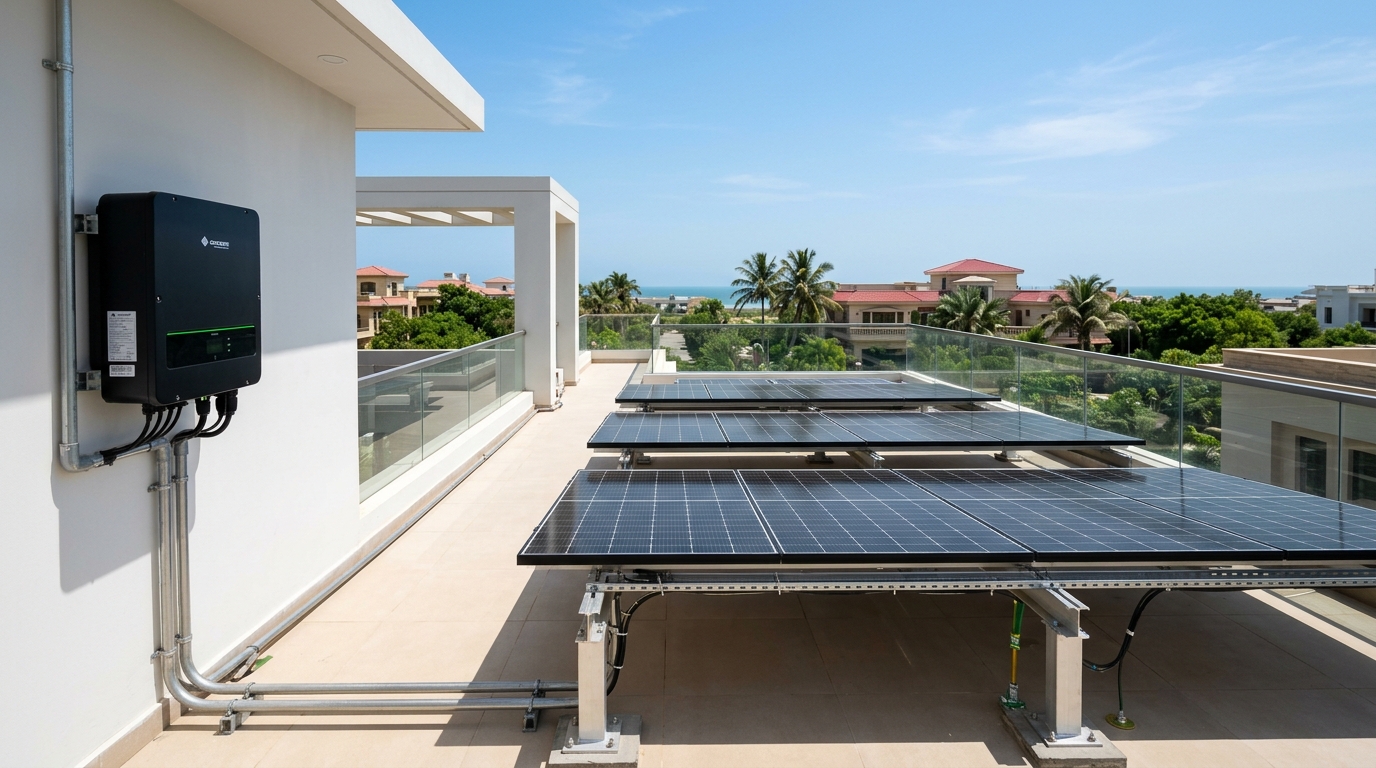
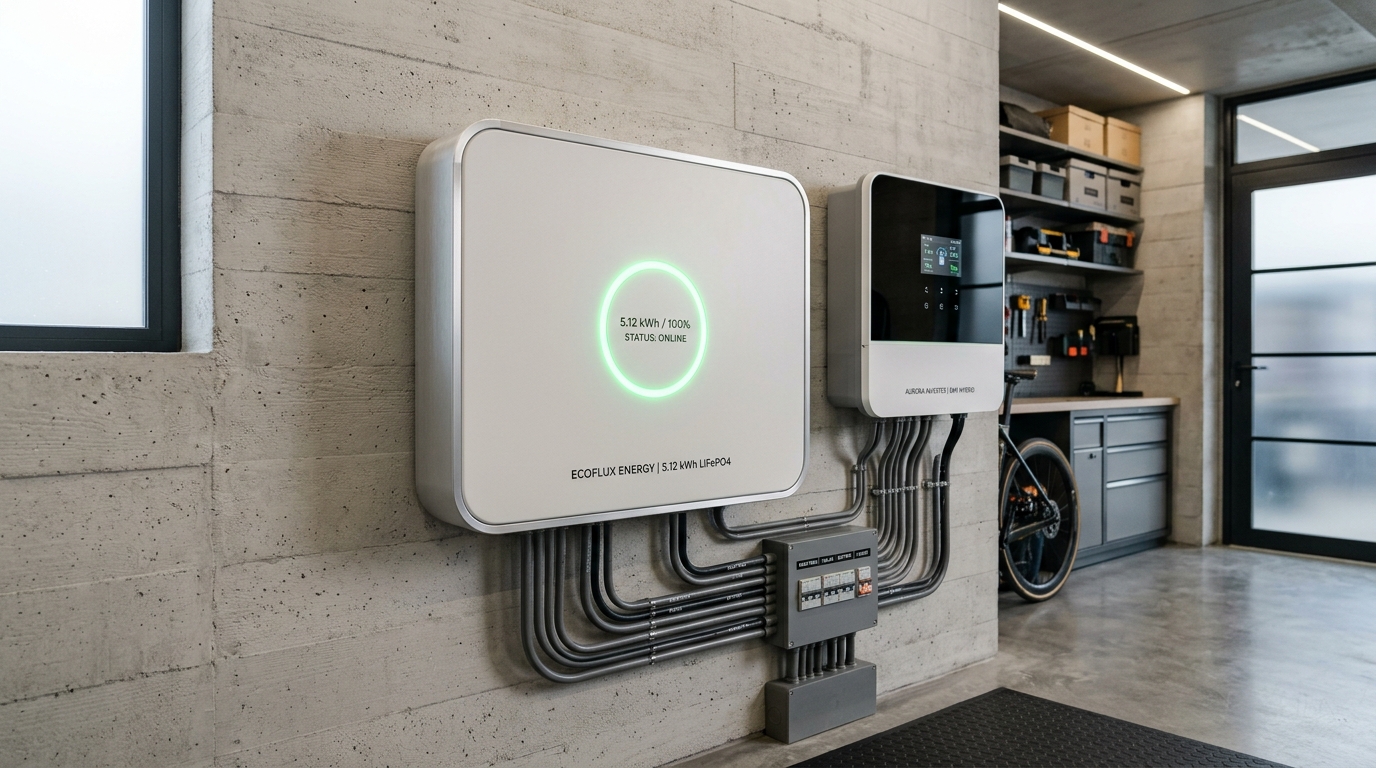
Industrial roofs may have load limits, fragile sheets, standing seams, equipment access, fire lanes, or active production below the work area. Check roof drawings, electrical single-line diagrams, transformer information, phase balance, cable routes, and utility interconnection conditions. Confirm the effect of planned shutdowns and how the system will be isolated for maintenance. For critical processes, define which loads need backup and whether batteries are technically and economically appropriate.
Questions for a commercial solar proposal
- Does the generation estimate use the site's location, roof, shading, and operating profile?
- What share is expected to be self-consumed, and what export rate is assumed?
- Are demand charges, fixed charges, taxes, and billing periods modeled correctly?
- What engineering, structural, interconnection, protection, and commissioning work is included?
- What downtime, maintenance, degradation, and replacement assumptions are used?
- Which savings are estimates, and which equipment or workmanship terms are guaranteed in writing?
Use official references and verify the case
Check K-Electric's current net-billing information and NEPRA's regulations before finalizing export assumptions. A project-specific feasibility study should be based on the customer's actual bills and operating data, not a generic payback promise.
Explore solar solutions by site type, capacity planning, and installation cost factors.
Explore Verified Karachi Engineering Services & Technical Guides
Connect with FWB Ventures' certified engineering divisions for turnkey site inspections, hardware specifications, and project quotations across Karachi.
High-cycle 12V, 24V, 48V Powerwalls, server racks & commercial BESS systems with smart BMS.