Why one inverter ranking cannot fit every project
Hybrid inverter features vary by model and firmware, even within the same brand. A popular model may not suit a customer's phase, battery, array voltage, load, or utility connection. Instead of treating a “top five” list as a recommendation, compare the exact models against the installation requirements and local service terms.

Start with the loads and backup circuits
Identify the loads the inverter must serve in normal operation and during an outage. Compare continuous output, surge capacity, phase configuration, and the backup output's limits. Some systems back up only selected circuits; others have different behavior depending on the wiring and model. Ask the designer to show which loads are connected and whether high-starting-current equipment is supported.
Check solar input limits
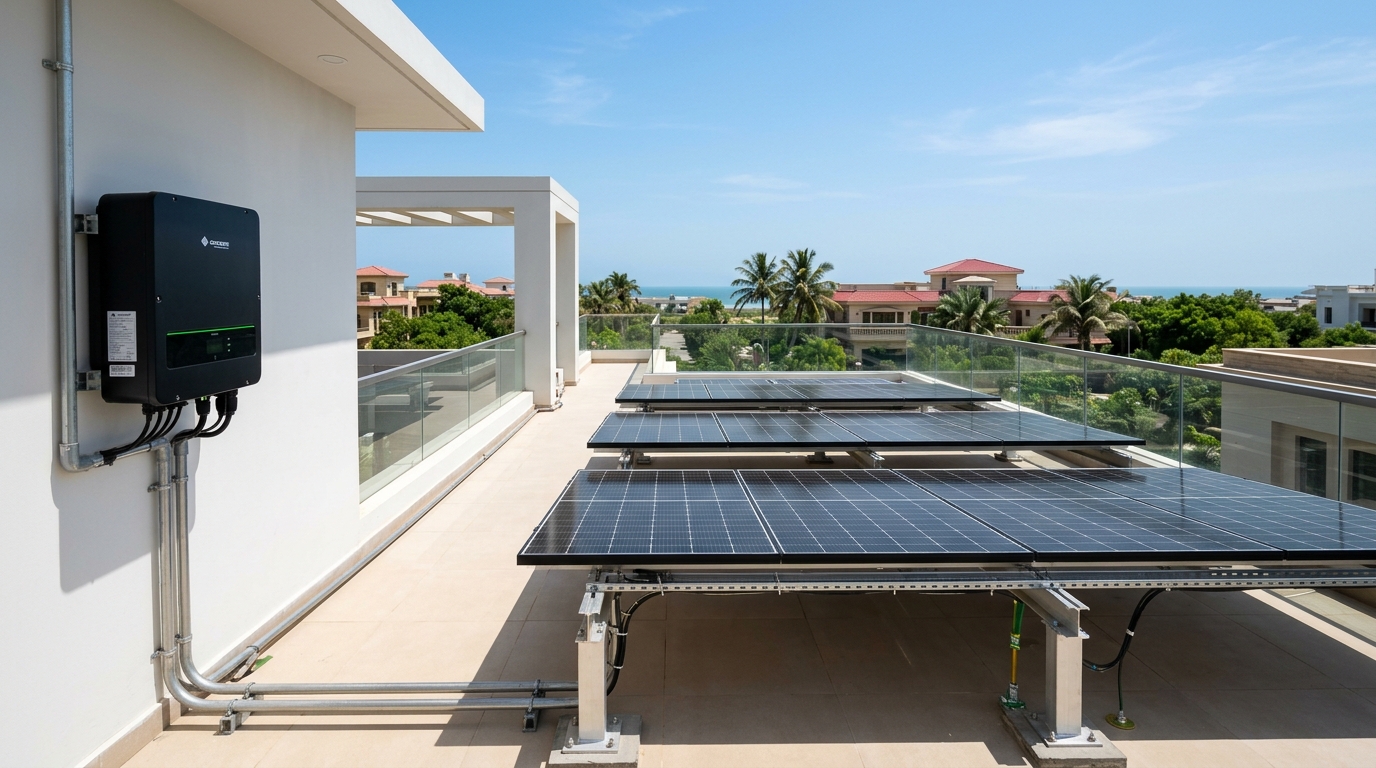
Review the number of MPPT inputs, maximum PV voltage, current per input, permissible array capacity, and the required string configuration. The module model, string length, and temperature range must remain within the inverter's limits. A higher DC array capacity is not automatically compatible or beneficial; follow the model datasheet and design instructions.
Verify battery compatibility
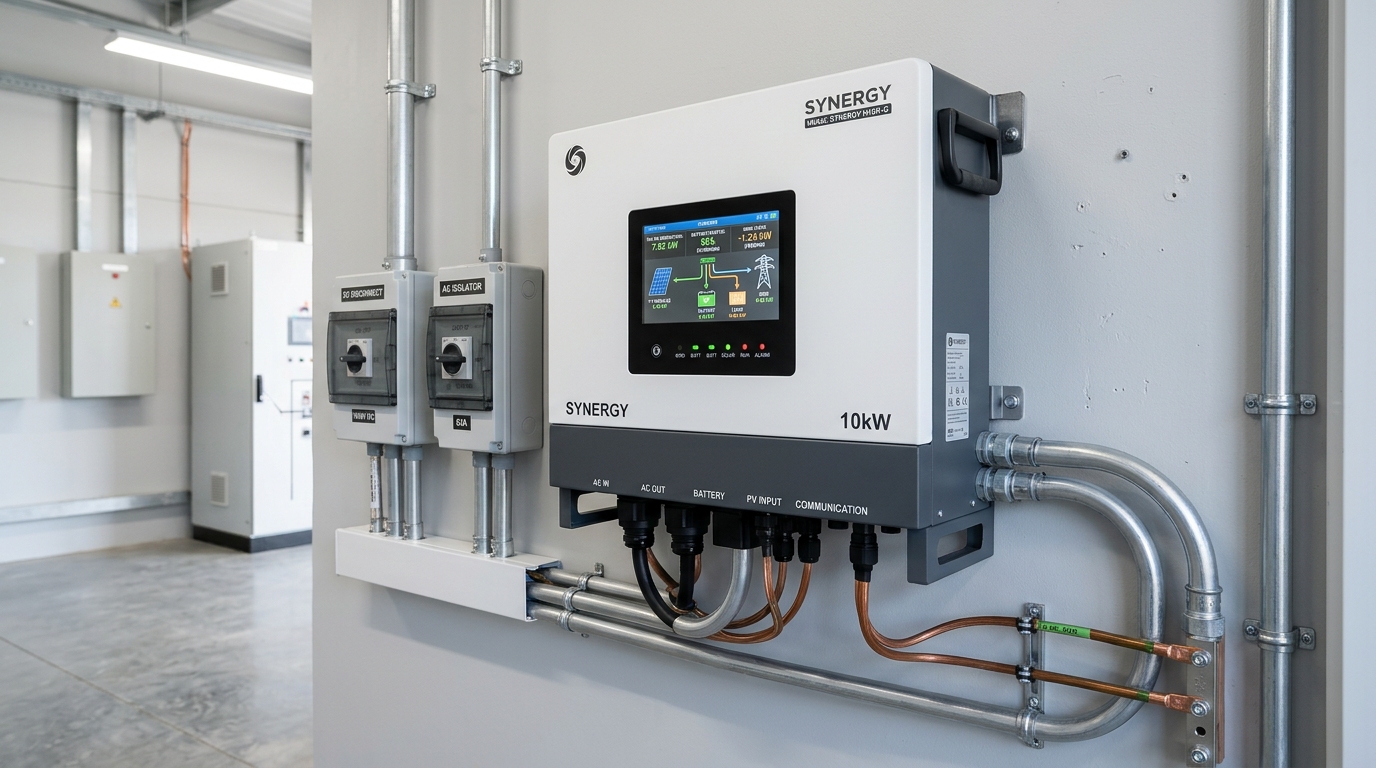
For lithium batteries, confirm supported battery models, communication protocol, voltage range, charge and discharge current, and required firmware. Also check whether the battery's usable capacity and output meet the backup plan. A nominal kWh figure does not show how long a particular load will run, and warranty terms may depend on correct configuration.
Consider grid support and export requirements
Grid-connected equipment must meet the applicable interconnection and protection requirements. Confirm the exact model is acceptable for the customer's application and utility process. For Karachi installations, new distributed-generation systems are subject to the current Prosumer framework described by K-Electric; do not assume an old net-metering process or an export arrangement based on a model's marketing sheet.
Compare monitoring and after-sales support
Ask how the inverter reports production and faults, whether monitoring requires internet or a subscription, how firmware updates are delivered, and who handles warranty claims. Obtain the exact model number, serial record, local seller details, warranty document, and process for service. Manufacturer warranty and installer's workmanship responsibility are separate terms.
Use a model comparison table
| Specification | Question to verify |
|---|---|
| AC output | Does it support the required phase and peak load? |
| PV inputs | Do string voltage, current, and array size fit the datasheet? |
| Battery | Is the exact battery model and communication method supported? |
| Backup | Which circuits are backed up and within what limits? |
| Warranty and service | Who provides support, and what conditions or exclusions apply? |
Compare candidate models with the solar equipment guide and your system configuration requirements. The installer should document why the selected model fits the site.
Explore Verified Karachi Engineering Services & Technical Guides
Connect with FWB Ventures' certified engineering divisions for turnkey site inspections, hardware specifications, and project quotations across Karachi.
Certified EPC on-grid, hybrid, and commercial solar systems with K-Electric net-metering approval.